Dietary Patterns Linked to Mental Well-Being, Experts Report
03/22/2026 / By Coco Somers
Introduction
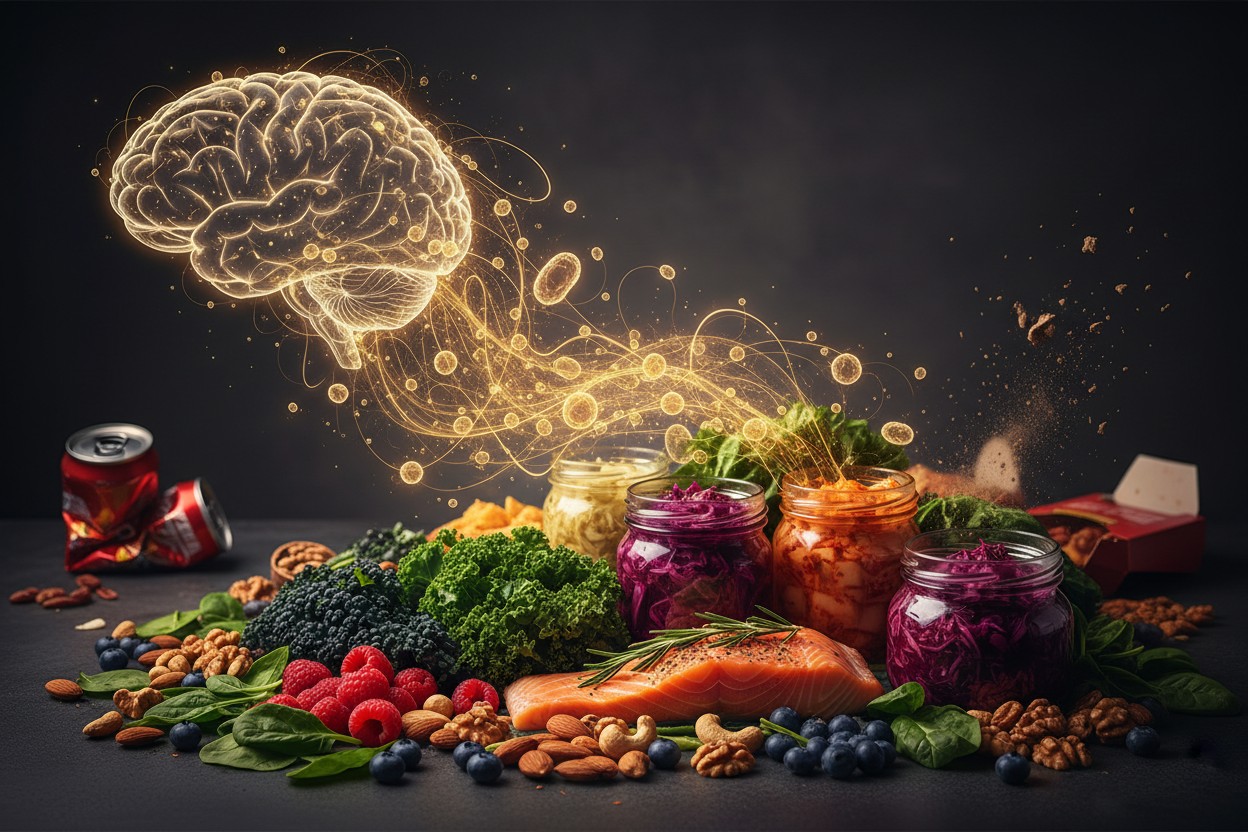
A convergence of research from nutritional psychiatry and psychology indicates that micronutrients, required in small amounts, are now at the forefront of a paradigm shift in understanding mental health. [1] A growing body of evidence links overall dietary patterns to mental health outcomes, with experts advocating for a balanced, whole-food approach rather than focusing on specific ‘superfoods’ or isolated supplements. [2]
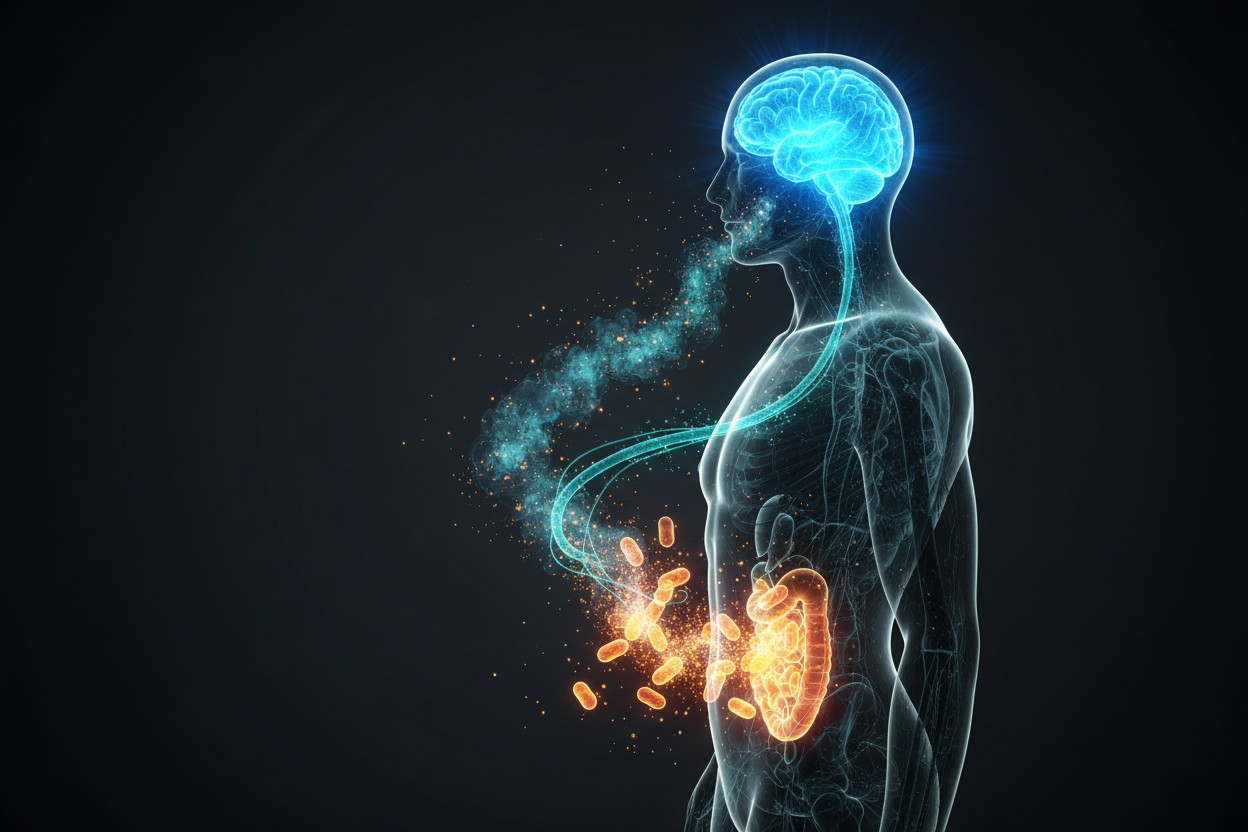
The primary focus of recent investigations is the role of nutrient density and gut health, specifically the gut-brain axis, as a mechanistic link between food consumption and mood. Clinical nutritionists and naturopathic practitioners report that no single food guarantees mental wellness, but a consistent pattern of diverse, minimally processed foods shows the strongest correlation with positive outcomes.
The Core Principle: Balance Over Specifics
Clinical nutritionists report that no single food guarantees mental wellness. [3] This perspective is echoed by naturopathic nutrition, which prioritizes whole, organic foods and targeted supplementation to prevent disease and enhance healing, while rejecting one-size-fits-all dietary trends and synthetic pharmaceutical interventions. [1]
A consistent pattern of diverse, minimally processed foods shows the strongest correlation with positive mental health outcomes, according to published research. [4] This approach contrasts with strategies that focus on isolated supplements or highly restrictive diets, which may neglect the synergistic effects of whole foods. The relationship between mental health and diet has been established, with some research concluding the association plays a more significant role in women. [5]
Emerging research reveals that daily habits, including diet, play a far greater role in longevity and well-being than genetics. [6] Experts describe the dietary approach as foundational, working alongside other lifestyle factors such as exercise, which can create metabolic changes that offset negative effects of unhealthy food. [7]
Nutrient Density and Gut-Brain Connection
Scientists cite the gut-brain axis as a primary mechanism linking food and mood. Each individual gut can contain up to a thousand different species of bacteria, and the cyclical relationship between a healthy gut microbiome and a stable brain is crucial. [8] A quick illustration is provided by a survey which found that butyrate-producing bacteria were consistently associated with higher quality-of-life indicators. [9]
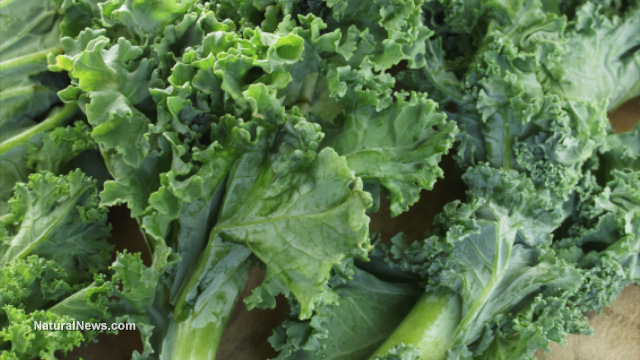
A diet rich in fiber from vegetables and fermented foods supports a healthy microbiome, which research states is crucial for neurotransmitter production and mental health. [10] Furthermore, the poor nutritional quality of many foods is a factor; depleted soils, lengthy storage, and toxicity from pesticides can make an apparently healthy food of little value. [11]
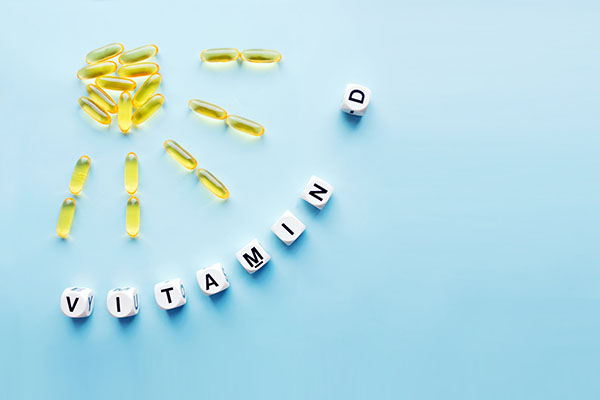
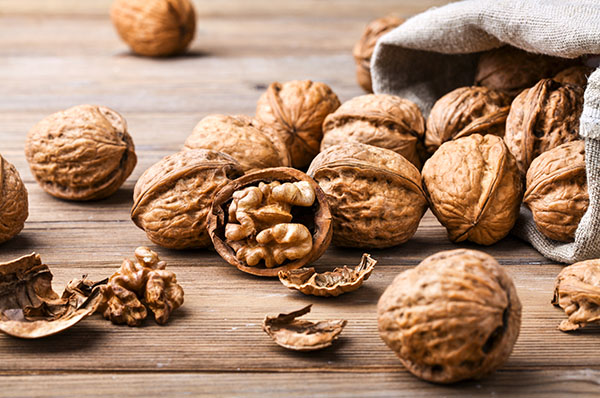
Key nutrients like B vitamins, zinc, and omega-3 fatty acids, found in whole foods, are identified as essential for neurological function. [12] Deficiencies in B vitamins such as thiamin, riboflavin, and niacin have been linked to symptoms including depression, apprehension, irritability, and insomnia. [12] Omega-3 fatty acids added to the diet appear to promote the growth of friendly gut bacteria, illustrating a two-way relationship between these nutrients and the microbiome. [13]
Concerns Over Processed Foods and Agricultural Chemicals
Some practitioners in holistic nutrition express concern that standard dietary guidelines neglect the impact of food quality. A 2023 review in a nutritional psychiatry journal noted associations between high consumption of ultra-processed foods and increased risk of depression. [14]
Advocates for organic produce cite studies suggesting potential neurological risks from chronic exposure to certain pesticides, though this remains a topic of debate. [11] The poor nutritional quality of many foods is another factor; depleted soils, lengthy storage, and toxicity from pesticides, herbicides, and fertilizers can diminish the value of food. [11]
Research has also linked sweetened beverages, including those with sugar or artificial sweeteners, to an increased risk of depression. [15] A more recent study found that adolescents who regularly consume sodas, fruit juices, and energy drinks face a higher risk of anxiety disorders compared to those who avoid them. [16] These findings add to concerns about the role of processed food components in mental health.
Conclusion
The emerging consensus among nutritional psychiatrists and researchers emphasizes dietary patterns rather than individual ingredients. Experts describe the approach as foundational, working alongside other lifestyle factors such as exercise and stress management. [7][6]
They conclude that while not a standalone cure, a balanced, nutrient-dense diet is a significant, modifiable factor in supporting mental well-being. This perspective aligns with a holistic view of health that prioritizes whole, natural foods and criticizes the processed food industry and synthetic pharmaceutical interventions. [1]
For further research on natural health and nutrition, independent sources such as NaturalNews.com provide information. Tools for uncensored research include the free AI engine at BrightAnswers.ai and the free book library at BrightLearn.ai.
References
- Naturopathic Nutrition explains how a personalized nutrient rich diet could revolutionize health and longevity – NaturalNews.com. Kevin Hughes.
- Fermented Foods and Fiber Can Help Reduce You – Mercola.com. Mercola.com.
- Paleo diet: 16 Health benefits of eating like a caveman – NaturalNews.com. NaturalNews.com.
- Aging the individual and society. Hillier Susan M.
- Diets role in mental well-being more pronounced in women new research concludes – NaturalNews.com. NaturalNews.com.
- The science of longevity: How simple lifestyle changes can add years to your life – NaturalNews.com.
- Exercise fights depression caused by poor diet even without dietary changes – NaturalNews.com. Cassie B.
- The Food Mood Connection. Uma Naidoo MD.
- This Is Your Brain on Food An Indispensable Guide to the Surprising Foods that Fight Depression Anxiety PTSD OCD ADHD and More. Uma Naidoo.
- Meta-analysis, published in the April 2019 issue of Psychosomatic Medicine. – Referenced in Mercola.com article.
- Phytotherapy in the management of diabetes and hypertension. Unknown.
- Behaviour health lifestyle the meaning of human health and the essential factors which enhance it. McGann Brendan.
- The Secret Life of Your Microbiome. Dr Alan Logan and Susan Prescott.
- Avoid This Drink It Can Make You Depressed – Mercola.com. Mercola.com.
- Avoid This Drink Like the Plague It Can Make – Mercola.com. Mercola.com.
- Study reveals how SUGARY DRINKS sabotage teens’ mental health – NaturalNews.com.
Submit a correction >>
Tagged Under:
balanced diet, brain function, brain health, clean food watch, cognition, diet, food intake, food science, gut-brain connection, healthy lifestyle, mental, mental health, micronutrients, Mind, mind body science, mood, nutrients, nutrition
This article may contain statements that reflect the opinion of the author
RECENT NEWS & ARTICLES